That comparison is a skill in itself, and it is the same skill a buyer uses when reading a dog against the standard away from the ring, with a pedigree and a breed club's material in hand rather than a judge's clipboard. The mechanics do not change: you need the standard's exact wording, a dog in front of you, and the discipline to check one item at a time instead of forming a general impression first.
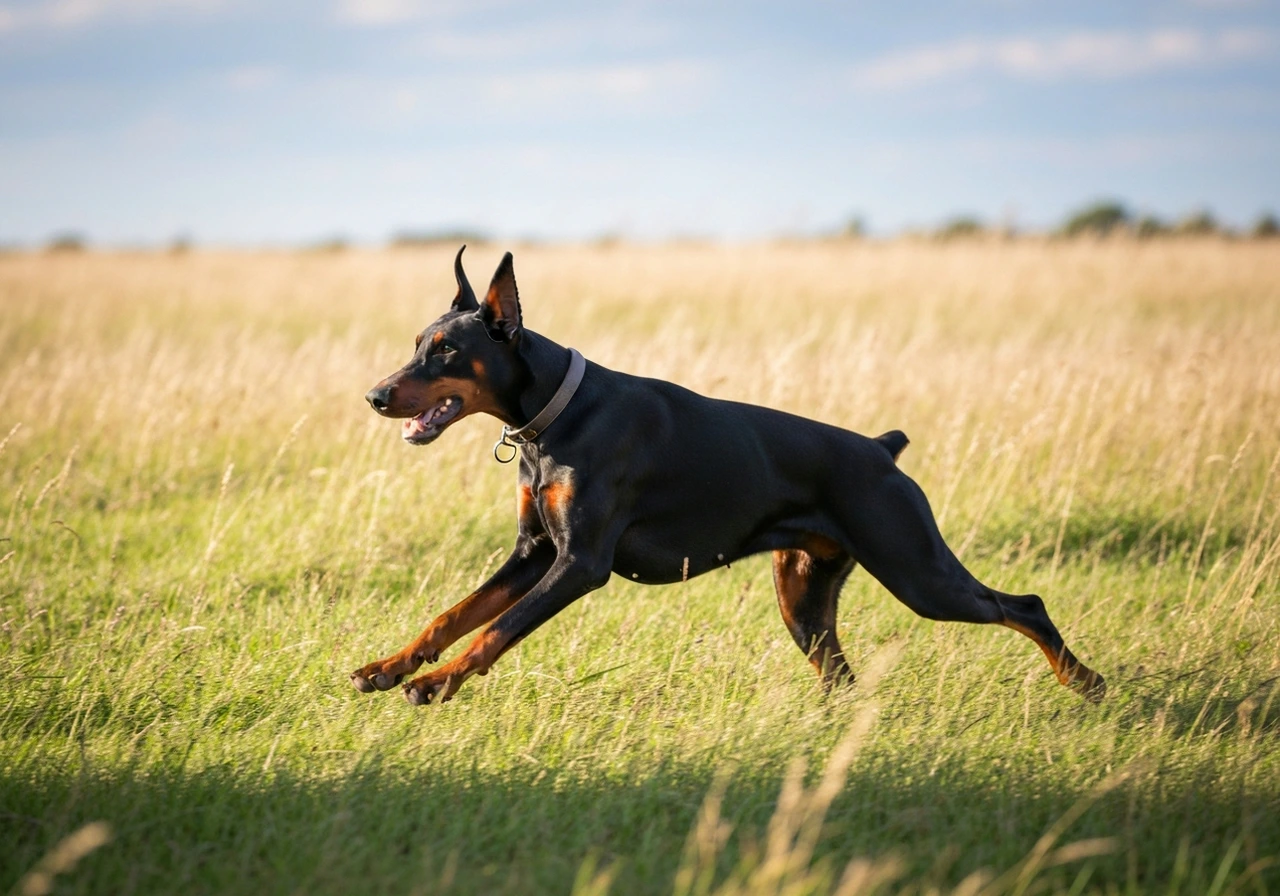
What does the standard actually say about coat?
Breed standards describe coat in layers, and the layers are not equally important. Texture usually comes first, because it is the hardest thing to change with grooming. A correct harsh jacket, a correct soft single coat, or a correct dense double coat is described in words such as harsh, flat, close, weather-resistant or silky, and those words refer to what the hand feels, not to what the eye sees at ten metres.
Length and distribution come next. Standards specify where the coat should be short, where it may be longer, and whether trimming is permitted. Many standards state that the dog is to be shown in natural coat, or that specific areas may be tidied. A judge who knows the breed will notice a coat that has been shaped beyond what the standard allows, and that observation can matter more than the coat's quality.
Colour and markings are the most visible layer and often the least decisive. Most standards list acceptable colours and disqualifying ones, and many include patterns such as brindle, parti-colour or roan. The judge checks the dog against that list, but colour rarely outweighs structure, and a standard that permits a wide range of colours gives the judge no reason to prefer one over another.
Condition is not the same as coat
Condition covers the dog's body: weight, muscle, skin, eyes, teeth and feet. A judge runs a hand over the ribs and spine to feel whether the dog is in hard working condition or carrying excess weight, and looks at the dog's outline from the side for a tuck-up and a proper chest depth. A coat can be immaculate while the dog underneath it is soft, and the reverse is also true.
Skin and eyes are read as general health signals. A dull coat, a greasy coat, or a coat that sheds heavily in the ring may indicate a dog that is out of condition, unwell, or simply at a stage of the coat cycle that the owner has not managed. Judges are not veterinarians and do not diagnose, but they do record what they see, and a dog that appears unthrifty is at a disadvantage regardless of its structure.
Feet and movement are linked here. Splayed feet, long toes or a foot that does not tighten on the ground affect how the dog moves, and the judge will often examine feet immediately before asking for the gaiting pattern.
How is movement assessed against the standard?
Movement is assessed in two directions: coming toward the judge and going away, plus a side gait. The standard describes the breed's expected gait in terms such as reach, drive, single tracking, or a smooth, effortless trot. The judge is not looking for the fastest dog or the flashiest one, but for the gait the standard describes.
From the front, the judge watches for elbows that turn out or cross, for feet that converge or paddle, and for a front that reaches without lifting. From behind, the judge watches for hocks that turn in or out, for a rear that moves too close or too wide, and for a dog that loses its balance at speed. From the side, the judge watches the topline, the length of stride, and whether the front and rear meet the ground with equal authority.
Movement is where structure becomes visible. A shoulder that is well laid back produces reach; a rear that is correctly angulated produces drive. When a dog moves badly, the judge can often trace the fault back to a specific part of the standard that describes shoulder, croup or stifle, and that is why movement carries weight in the final decision.
How does an owner prepare a dog for that reading?
Preparation starts long before the show. The dog should be trained to stand still for a hands-on examination, to accept a stranger looking at its teeth, and to gait on a loose lead at the judge's pace. A dog that pulls, sits or turns its head to the handler cannot be read accurately, and the judge will assess what is presented, not what might have been presented.
Coat preparation follows the standard rather than fashion. Bathing, conditioning and trimming should aim at the texture and outline the standard describes, and should be done far enough in advance that the coat has settled. Products that change texture, or trimming that removes the natural outline, work against the dog when the judge's hand confirms what the eye suspected.
Condition is managed over months, not days. Weight, muscle tone and foot health respond to exercise and feeding, and a dog that is fit will show it in the ring. Owners should also know their breed's disqualifications and faults, so that they can decide whether a minor cosmetic problem is worth addressing or whether it is simply part of the dog.
Finally, the owner should read the standard as a judge does: in order, feature by feature, and with the understanding that the judge is comparing the dog to a written description rather than to the other dogs in the ring. That habit makes the show result easier to interpret, and it makes the preparation more honest.
What the judge cannot see
A judge sees a dog for a few minutes, on one day, in one coat state. Temperament, health history, and the dog's behaviour at home are outside the assessment, and the standard itself is a description of type rather than a guarantee of health. A dog that wins is a dog that matched the standard closely on that day, under that judge, in that coat. That is the limit of the exercise, and it is worth stating plainly, because owners sometimes read a placement as a verdict on the dog's quality in every respect.
The same limit applies to any reading done outside the ring. A standard, a pedigree and a photograph give you a framework, not a measurement, and the framework is only as good as the wording you are working from.
A judge assesses coat and movement as separate features, yet the two are linked by the same genes in some cases. The white markings that define a dog's outline can also signal a doubling of the merle or piebald alleles. When a dog is presented with an unusually white coat and blue eyes, the judge may note the pattern without knowing its genetic basis. Breeders and owners can review double dilute and lethal white combinations to understand how these configurations arise and what they mean for hearing and vision. The article examines double merle, cryptic merle, sealed white, and harlequin, and outlines steps to take before breeding.
Further Reading