What is the difference between a field trial and a hunt test?
A field trial is judged comparatively. Dogs run in stakes, usually in braces or by running order, and the judges rank the performances that survive the eliminations. The winner takes points toward a Field Champion or Amateur Field Champion title, and the placements are recorded in the AKC's official results. A hunt test is judged absolutely. The judges carry a standard for the level being run and mark each dog as passing or failing, without ranking it against the others. A dog that meets the Junior standard earns a Junior Hunter title after four qualifying scores; the same structure applies at Senior and Master.
The practical consequences are large. In a trial, a single unproductive hunt or a hard mouth can end the day, and the margin between first and fourth may be one retrieved bird. In a test, the dog is not competing with the entry; it is competing with the description of what a finished retriever should do. Handlers who dislike the variability of trial judging often prefer tests, and handlers who want a ranking often find tests too forgiving. Neither view is wrong, but they lead to different training calendars.
The tests a dog must pass
At the Junior level, the dog must retrieve a single marked fall on land and a single marked fall in water, deliver to hand, and remain steady enough not to break while the birds are thrown. The distance is modest, the cover is usually light, and the dog may be handled to the fall if it drifts. A Junior dog is expected to be under control, not finished.
Senior adds complexity. The dog must retrieve two marks on land and two in water, at least one of which involves a memory or a diversion, and it must complete a blind retrieve. A blind is a bird the dog did not see fall; the handler directs it with whistle and hand signals to a destination it cannot see. Senior also introduces an honour, where one dog watches another work without moving. The water series may include a swim past decoys or a shoreline entry that tests the dog's line.
Master is the top level. The dog must handle multiple marks with diversions, run blinds at longer distances, and hold steady through the entire series, including the honour. Master tests are often run over two days and may include a land series, a water series and a combined series. The judges are looking for a dog that can be handled at distance, takes direction, and does not need to be re-cued. A Master Hunter title requires five qualifying scores, and the pass rate at that level is low enough that many good dogs take several seasons to finish.
What titles and result sheets do these events produce?
Each qualifying score is recorded by the AKC and appears on the dog's official record. Hunt test titles are Junior Hunter, Senior Hunter and Master Hunter, abbreviated JH, SH and MH, and they are added after the dog's registered name. Field trial titles include Field Champion, Amateur Field Champion and, for dogs that also win in the water, the dual champion designation. A dog can hold both a field trial title and a hunt test title, and many do.
Result sheets are the working document of the sport. After a trial or test, the club files a judge's sheet listing every dog, its registration number, its score or placement, and the judges' signatures. Those sheets are what the AKC uses to update records, and they are what breeders cite when they advertise a litter. A result sheet is not a certificate of quality in the abstract; it records what happened on one day, on one set of grounds, under one pair of judges. Reading several sheets from the same dog gives a more honest picture than reading one.
How does a handler prepare a dog for its first test?
Preparation begins long before the entry form. A puppy needs exposure to water, cover, gunfire and birds in a sequence that builds confidence rather than testing it. Most programmes spend the first months on obedience and marking, then introduce blinds once the dog takes a line and holds it. Steadiness is trained separately from retrieving, because a dog that is steady but cannot mark is useless, and a dog that marks well but breaks is disqualified.
For a first Junior test, the handler should be able to walk the dog to the line, keep it quiet while the birds are thrown, send it on a clear mark, and take the bird without a struggle. That is a modest list, and it is the reason Junior is the right entry point for most owner-handlers. For Senior, the dog must be able to run a blind under distraction, which means the handler has already taught whistle sits, overs, and back casts on land before trying them in water. For Master, the training is a season-long project, often with a professional or a training group, because the dog must handle at distances that are hard to replicate alone.
Cold weather and water work deserve their own block. A retriever that has only trained in warm conditions may refuse an icy entry or lose its line in wind. Handlers in northern states often train through the winter on open water when it is available, and they watch for ice on the ramp and on the dog's coat. The AKC rules allow tests to be run in cold conditions, and clubs may cancel if the water is unsafe, so a handler should read the premium, the entry document that lists the grounds, the judges and the schedule, before travelling.
What should a beginner know before entering?
The first thing to understand is that a hunt test entry is not a training session. The dog is expected to perform, and the judges cannot coach. The second is that the entry process is competitive in a different way: tests fill up, and a handler who waits until the closing date may not get a spot. The third is that the club running the event is usually the best source of local information, because the grounds, the birds and the timing vary from one weekend to the next.
A beginner should also know that a dog can fail for reasons that have nothing to do with retrieving ability. A dog that whines on the line, breaks, or refuses to honour may be dropped even if it marks well. Those are trainable behaviours, and they are the reason experienced handlers spend as much time on line manners as on marks. The AKC publishes the full rulebooks for both field trials and hunt tests, and the club premium lists the specific stakes and levels offered at each event.
Finally, the sport is organised by volunteers. Judges are usually experienced handlers who have been approved by the AKC, and clubs depend on members to throw birds, run the line, and keep the grounds. A handler who enters a test is joining a community as much as a competition, and the result sheet is only the visible part of that.
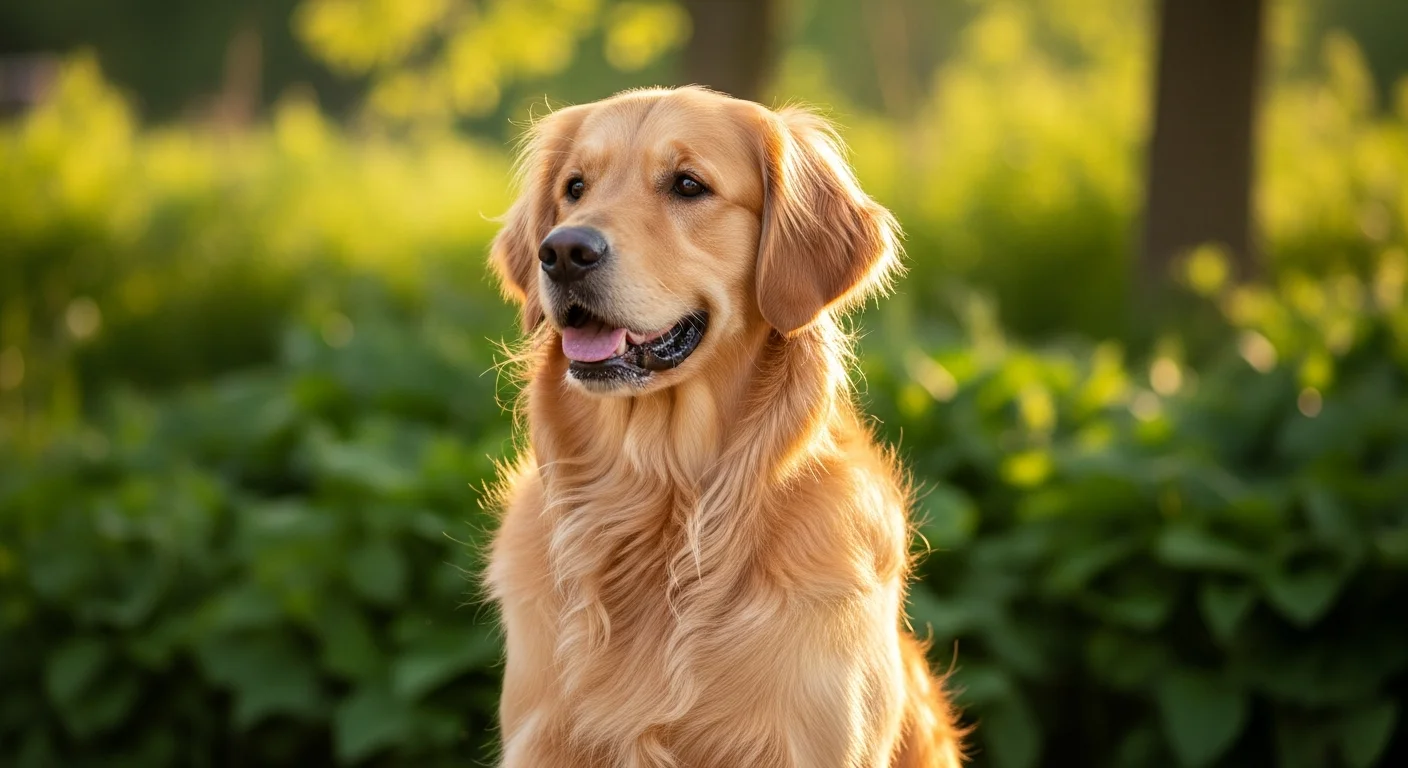
Field trial and hunt test judges evaluate a dog on marking, steadiness, and retrieving, not on coat color. Breeders who work with Golden Retrievers and Labrador Retrievers still notice that yellow dogs vary widely, from pale cream to deep gold or red. That range comes from modifier genes acting on phaeomelanin, not from the main color loci alone. The same litter can produce puppies at different points on that scale, and the shade can shift slightly with age and sun exposure. For a closer look at how these modifiers work and what testing can currently show, see intensity and phaeomelanin shades.
Further Reading