When I first started teaching genetics to breeders, I noticed something interesting. People would come to me with questions like "Why did I get a liver puppy when both parents are black?" or "Where did that cream color come from?" They wanted answers, but they did not have the vocabulary to understand them.
So I learned to start at the beginning. Not because breeders are not intelligent enough for advanced concepts, but because genetics has its own language. Once you speak it, everything else falls into place. Let me teach you that language.
Genes, Alleles, and Why the Difference Matters
Think of a gene as a specific job description. The E locus gene, for example, has one job: determine whether pigment can be expressed in the coat. That is the gene's role, and it never changes.
Now, think of alleles as different workers who could fill that job. At the E locus, you might have an E allele (which allows full pigment expression) or an e allele (which restricts it). Same job, different workers, different results.
Teaching Moment
A student once asked me: "If genes are job descriptions and alleles are workers, what is DNA?" I told her DNA is the filing cabinet where all the job descriptions are stored. That analogy has stuck with hundreds of my students since.
Dominant vs Recessive: The Volume Control
Here is where most people get confused. Dominant does not mean "stronger" or "better." I prefer to think of it as volume control.
A dominant allele speaks loudly. If it is present, you hear it. You see its effect in the dog's appearance. We write dominant alleles with capital letters: B for black pigment, E for full extension.
A recessive allele whispers. It only gets heard when the dominant allele is not there to talk over it. We write recessive alleles in lowercase: b for brown, e for recessive red.
Let us say you breed a dog with Bb at the B locus (one black allele, one brown allele). What color is that dog? Black. Because the B speaks loudly enough to mask the b. But that brown allele is still there, quietly waiting for a chance to be heard.
Genotype vs Phenotype: What You Have vs What You See
This distinction trips up more breeders than any other concept. Let me make it simple:
- Genotype = the actual genetic code your dog carries
- Phenotype = what your dog looks like
Here is why this matters: Two dogs can look exactly the same (identical phenotypes) but have completely different genotypes. And those different genotypes mean they will produce different puppies. This is exactly why hidden genetics can produce surprise colors in litters.
Real Example
I worked with a breeder who had two gorgeous black Labs. Visually identical. But when we ran DNA tests, one was BB (homozygous black) and one was Bb (carrying chocolate). Bred to a chocolate male, one produced all black puppies, the other produced chocolates. Same phenotype, different genotypes, dramatically different litters.
Homozygous vs Heterozygous: Matching vs Mixed
Every dog inherits two copies of each gene, one from mom and one from dad. When those two copies match, we call the dog homozygous at that locus. When they differ, heterozygous.
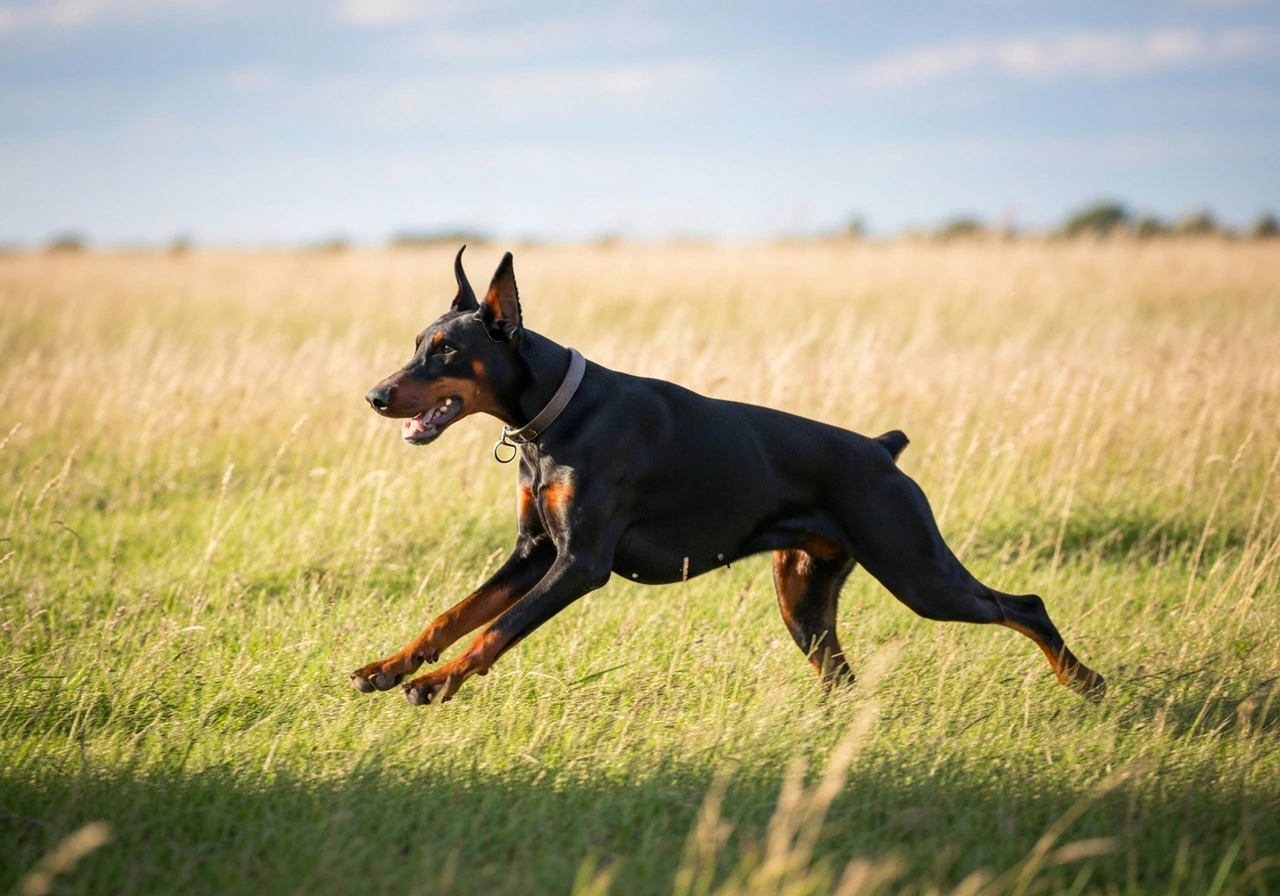
- BB = homozygous black (two black alleles)
- bb = homozygous brown (two brown alleles)
- Bb = heterozygous (one of each, appears black but carries brown)
Why does this matter for breeding? A homozygous dog can only pass on one type of allele. A BB dog will pass B to every single puppy. No exceptions. But a heterozygous Bb dog? Flip a coin every time. Half the puppies get B, half get b.
The Two-Copy Rule and Recessive Expression
Here is the key insight that makes everything click: for a recessive trait to show up in a dog's appearance, it needs two copies. This principle is central to predicting puppy colors with Punnett squares.
One copy? The dominant allele masks it. The dog carries the trait but does not show it.
Two copies? Nothing to mask it. The trait expresses.
This is why "surprise" puppies happen. Both parents can look completely normal, carrying one hidden copy of a recessive allele. When both pass that recessive copy to the same puppy, suddenly you have a coat color neither parent displays.
Why Multiple Loci Make Things Interesting
So far we have talked about single genes in isolation. But coat color is not controlled by one gene. It is controlled by many, each doing its own job, all working together.
Think of it like a recipe. The B locus determines whether pigment is black or brown. But the D locus determines whether that pigment is full strength or diluted. And the E locus determines whether pigment can reach the coat at all.
A dog can have perfect genes for black pigment at the B locus, but if it is homozygous recessive at the D locus, that black becomes blue. And if it is homozygous recessive at E? No pigment reaches the coat regardless of what B and D say.
In my guide to the A, B, C, D, E loci, I walk through each of these interactions in detail. But first, you needed this foundation.
Common Misconceptions I Hear
After teaching genetics for over a decade, certain myths keep appearing. Let me address a few:
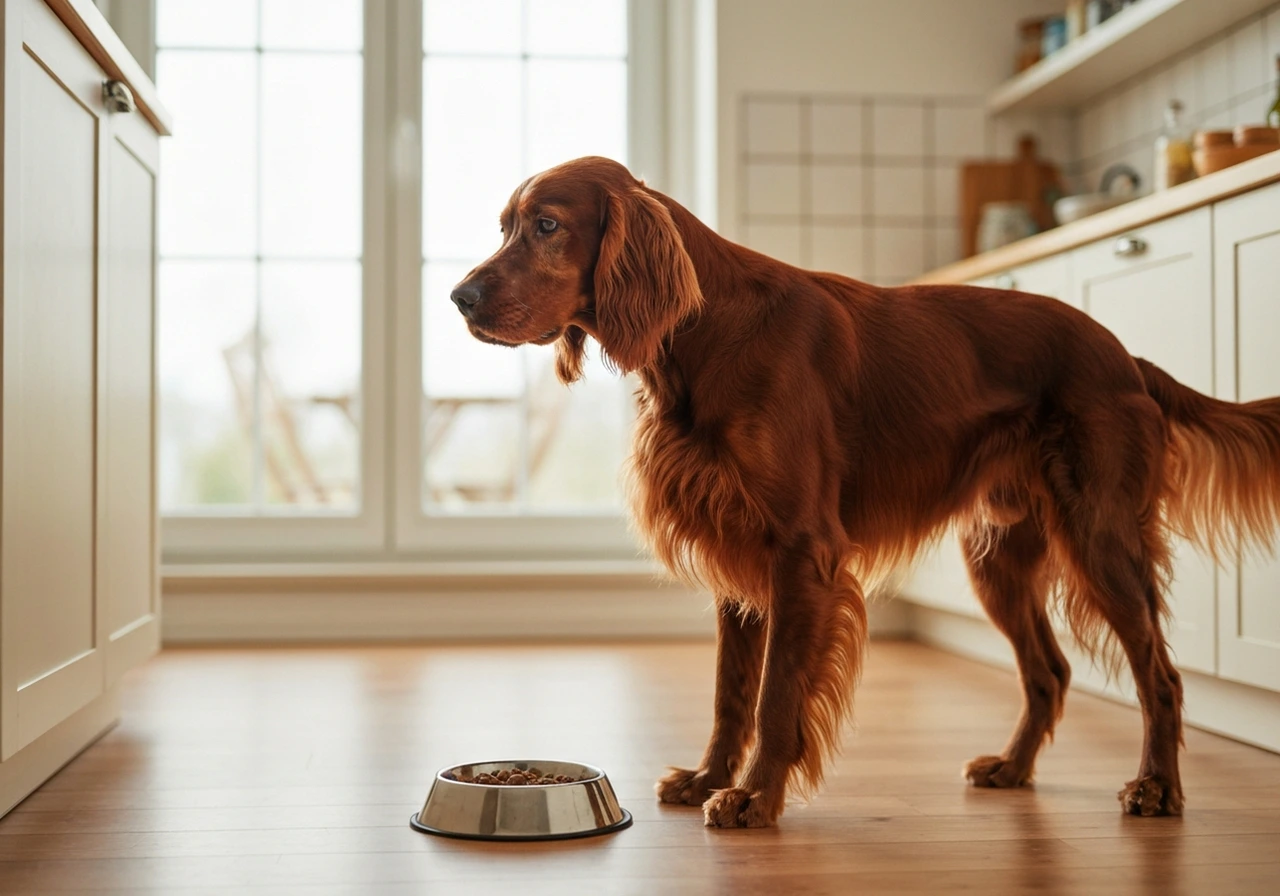
"If both parents are black, all puppies will be black." Not necessarily. If both parents carry chocolate (are Bb), you could get chocolate puppies. This surprises breeders constantly.
"Color skips a generation." Not quite accurate. What actually happens is that a recessive allele can be passed through multiple generations of carriers before two carriers are bred together and produce a homozygous recessive puppy. This is also why health conditions linked to specific color genes, such as Color Dilution Alopecia in dilute dogs, can appear unexpectedly when two carriers of the dilute allele are bred together.
"You can tell genotype by looking at a dog." Sometimes, not always. You can tell some things. A chocolate dog must be bb because chocolate is recessive. But a black dog could be BB or Bb, and you cannot tell which by looking. This is exactly why DNA testing has become essential for breeders.
Practical Tools I Recommend
Once you understand these basics, you will want tools to help apply them. I regularly recommend these to my students:
- Punnett square calculators - The Dog Coat Color Calculator is excellent for single-locus predictions
- DNA testing panels - Companies like Embark, Wisdom Panel, Animal Genetics, and the UC Davis VGL offer comprehensive color panels
- Breeding software - Programs that track your dogs' genotypes across all loci
I cover DNA testing in depth in my article on which color tests to run and why.
Your Next Steps
You now have the vocabulary to understand color genetics conversations. You know the difference between genes and alleles, dominant and recessive, genotype and phenotype, homozygous and heterozygous.
From here, I recommend:
- Read about the specific loci that control color in your breed
- Learn to use Punnett squares for predictions
- Understand why surprise colors appear
- Explore how brindle, sable, and tan point patterns are inherited through the A and K loci
- Learn how the S locus controls white markings, from a small chest spot to piebald patterning
The journey from confused to confident takes most of my students about six weeks of study. You have just completed day one. Keep going.
Coat color is only one part of what a judge records in the ring. The written breed standard also describes texture, density and length, and those traits are read together with the dog's condition and gait. A correct genotype can still be presented poorly if the coat is dull or the dog moves unevenly. Owners who want to understand how these elements are weighed can read reading coat and movement, which sets out what is assessed, in what order, and how a dog is prepared for that reading. Genetics explains the color; the standard explains the rest.
Further Reading
For a deeper dive into herding breed genetics specifically, including MDR1 and other health-related genes, visit our partner site The Herding Gene.